Fever in Children: When Should Parents Worry?
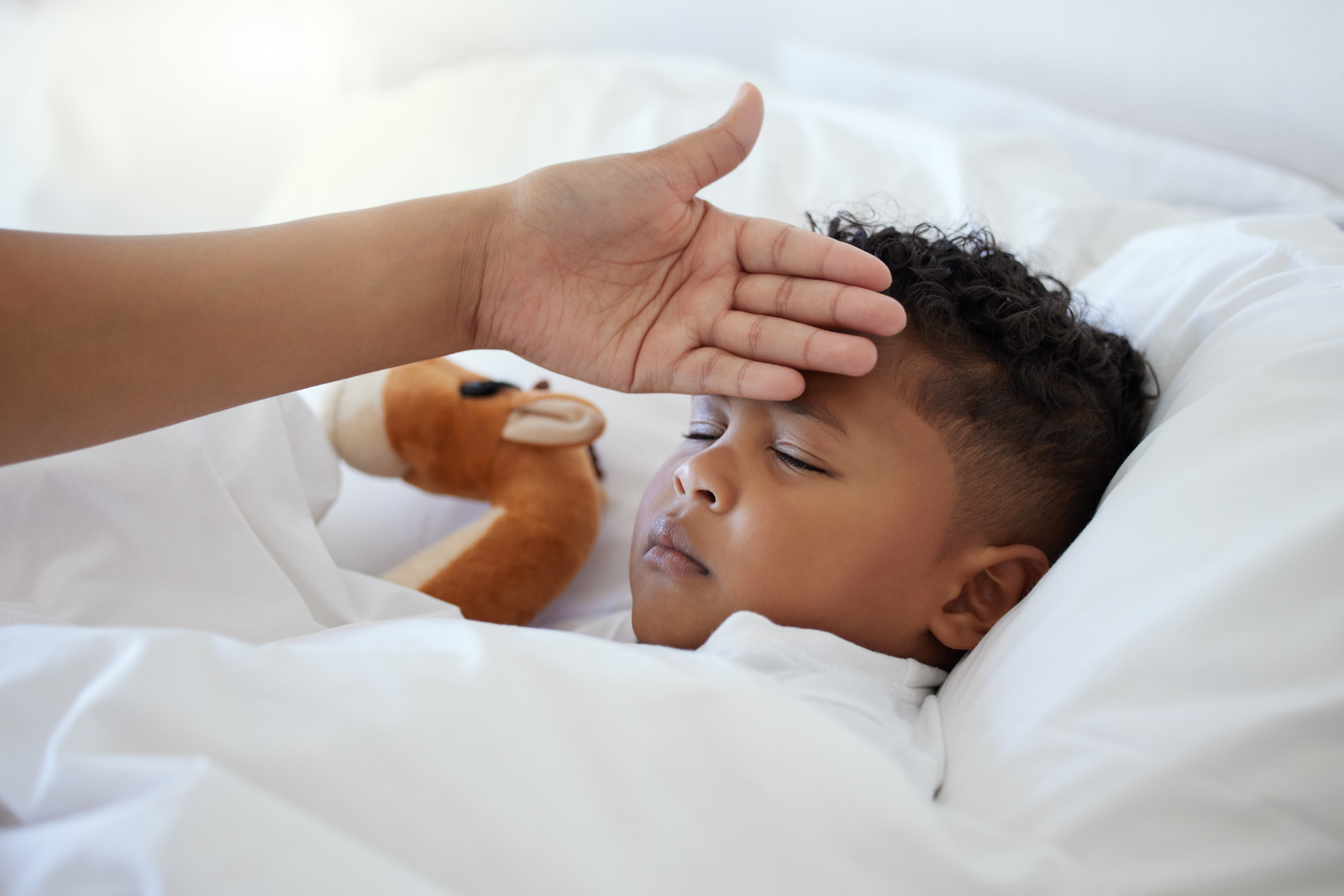
A child's sudden fever is one of the most anxiety-inducing experiences a parent can face. The thermometer reads 102°F, your child is flushed and uncomfortable, and the question immediately rushes to mind: is this serious? Do I rush to the emergency room? Can I manage it at home? These are questions Dr. Satyanarayana BH — MBBS, DCH (Gold Medalist), MRCPCH, Consultant Paediatrician at Sri Sai Women & Children's Clinic, Gopanpally hears from parents across Gopanpally, Nallagandla, Tellapur, Serilingampally, and Hyderabad every single day. The reality is that fever in children is the body's natural, protective immune response not a disease in itself. But some fevers do signal serious illness requiring urgent paediatric attention. This comprehensive guide from Dr. Satyanarayana helps every parent understand the difference.
What Is a Fever? Understanding Normal Temperature in Children
- Normal body temperature: 36.1°C to 37.2°C (97°F to 99°F) measured rectally or orally.
- Low-grade fever: 37.5°C to 38°C (99.5°F to 100.4°F) the body is fighting something; monitor but not always treat.
- Fever: 38°C (100.4°F) and above the immune system is actively responding to infection.
- High fever: 39.5°C (103°F) and above requires active management and close monitoring.
- Very high fever: 40°C (104°F) and above always warrants paediatric evaluation.
The number on the thermometer is important but it is not the most important thing. Dr. Satyanarayana's most important message to parents: how your child looks and behaves during a fever matters more than the temperature alone.
Why Do Children Get Fever?
- Viral infections: The most common cause cold, flu, viral throat infection, hand-foot-mouth disease, viral gastroenteritis. These account for the vast majority of childhood fevers.
- Bacterial infections: Throat infection (tonsillitis), urinary tract infection (UTI), ear infection (otitis media), pneumonia. These may require antibiotic treatment.
- Post-vaccination fever: Common 1–2 days after DTP, PCV, MMR vaccines expected and self-limiting.
- Teething: May cause mild low-grade fever but should not be assumed as the cause of fever above 38.5°C.
- Heat exhaustion: Particularly relevant in Hyderabad's summer when children are exposed to heat without adequate hydration.
When Should Parents Worry Red Flag Signs Requiring Immediate Paediatric Care
Take your child to a paediatrician IMMEDIATELY if fever is accompanied by any of the following signs:
In Babies Under 3 Months
- Any fever above 38°C (100.4°F) in a baby under 3 months is a medical emergency seek care immediately, without waiting.
- Young infants cannot fight infections as effectively as older children; even a modest fever can signal a serious systemic infection.
In All Children — Go Immediately If
- Stiff neck or neck that cannot be bent forward: possible meningitis
- Skin rash that does not fade when pressed (glass test): possible meningococcal disease
- Severe difficulty breathing: rapid breathing, flaring nostrils, chest indrawing
- Persistent vomiting or inability to keep fluids down: risk of dehydration
- Signs of dehydration: no wet nappies for 8+ hours, no tears when crying, dry mouth, sunken eyes
- Unusual drowsiness, difficulty waking, excessive sleepiness
- Seizure (febrile convulsion): the child shakes uncontrollably
- Severe headache with fever: particularly if accompanied by light sensitivity
- Persistent crying or extreme irritability that cannot be consoled
- Blue or purple discolouration of the lips or fingernails
- Fever lasting more than 5 days without obvious cause
- Fever returning after 24 hours of being normal
When Is It Safe to Manage Fever at Home?
A child with fever who is over 3 months old, looks relatively alert and comfortable, is drinking fluids, and has no red flag signs can usually be managed at home with these measures:
- Paracetamol (acetaminophen): 15 mg per kg per dose, every 4–6 hours for fever above 38.5°C or for child's comfort. Available as syrup for children in India.
- Ibuprofen: For children over 6 months 10 mg per kg per dose, every 6–8 hours. Can be alternated with paracetamol for high fever.
- Adequate hydration: Offer frequent small sips of water, ORS, coconut water, or diluted juice more frequently than usual.
- Tepid sponging: Lukewarm (not cold) sponging the forehead, armpits, and back helps reduce temperature do not use cold water or ice.
- Light clothing: Avoid bundling a feverish child in blankets light cotton clothing and a comfortable room temperature helps the body release heat.
- Rest: Children with fever need extra rest reduce activity and ensure comfortable sleep.
NEVER give aspirin to children under 16 years it can cause Reye's syndrome, a serious liver and brain condition.
Febrile Convulsions — What to Do
Febrile convulsions (fever seizures) occur in approximately 3–5% of children between 6 months and 5 years. They are triggered by a rapid rise in body temperature. While frightening to witness, most febrile convulsions are brief (under 5 minutes), self-limiting, and do not cause brain damage. During a febrile convulsion:
- Lay the child on their side (recovery position) prevents choking if vomiting occurs
- Clear the area of any hard objects that could cause injury
- Do NOT put anything in the child's mouth
- Do NOT try to restrain the shaking movements
- Time the convulsion call emergency if it lasts more than 5 minutes
- After the convulsion stops, the child may be confused and sleepy this is normal; take them to a paediatrician for evaluation
Internal Links
- Treatment for Infections in Children — Dr. Satyanarayana Gopanpally
- Vaccination Schedule for Children — Sri Sai Clinic Gopanpally
- Paediatric OPD at Sri Sai Clinic Gopanpally Nallagandla
- Book Appointment with Dr. Satyanarayana Gopanpally
Conclusion
Fever in children is the body doing its job fighting infection and protecting your child. For most fevers in children who look alert and are drinking fluids, home management with paracetamol, hydration, and monitoring is appropriate and safe. But when the red flag signs appear or when your instinct tells you something is not right come straight to Sri Sai Women & Children's Clinic in Gopanpally. Dr. Satyanarayana BH — with MRCPCH qualification and DCH Gold Medal from 16 years of paediatric practice provides prompt, expert evaluation for every child's fever across Gopanpally, Nallagandla, Tellapur, Serilingampally, and Hyderabad. Trust your instincts as a parent, and when in doubt, let a specialist take a look.
Worried about your child's fever? Book an appointment with Dr. Satyanarayana at Sri Sai Clinic, Gopanpally. Call: +91-9347761835