
Irregular Periods: Causes and Treatment
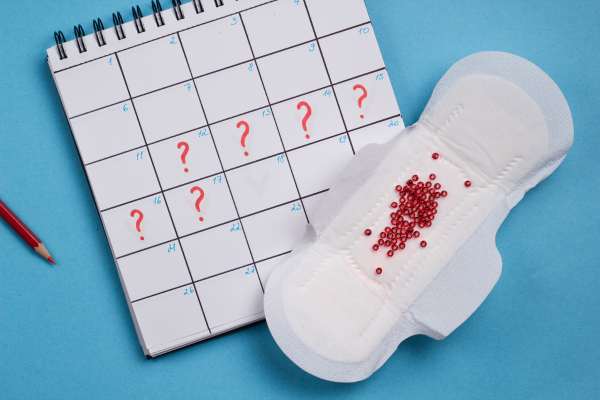
Irregular periods are one of the most common concerns that bring women to a gynaecologist and yet, they are also one of the most frequently dismissed. Across India, countless women have been told that irregular periods are "normal" or "just stress," when in reality, they are often the body's earliest and clearest signal that something in its hormonal system needs attention. Whether your periods arrive too early, too late, too heavy, too light, or not at all irregular periods causes and treatment deserve proper medical investigation, not guesswork. At Sri Sai Women & Children's Clinic in Gopanpally, Hyderabad, Dr. Vanisree Padige, a highly experienced gynaecologist and obstetrician with 16 years of expertise in women's hormonal and reproductive health helps women understand exactly why their cycles are irregular and guides them toward safe, effective, and personalized treatment. If you are in Gopanpally, Nallagandla, Tellapur, Serilingampally, or anywhere across Hyderabad, this comprehensive guide is for you.
What Are Irregular Periods? Understanding a Normal Menstrual Cycle
A regular menstrual cycle typically lasts between 21 and 35 days, with menstrual bleeding lasting between 2 and 7 days. The amount of blood lost in a normal period is approximately 30–80 ml. While no two women have identical cycles, a healthy cycle follows a reasonably predictable pattern month after month.
Irregular periods medically called oligomenorrhea, amenorrhea, or abnormal uterine bleeding depending on the pattern include any of the following:
- Cycles shorter than 21 days or longer than 35 days
- Periods that are unpredictable in timing from month to month
- Missed periods (absence of menstruation for 3 or more months in a non-pregnant woman)
- Extremely heavy bleeding (soaking more than one pad or tampon per hour for several hours)
- Very light or scanty periods (spotting only)
- Periods that last longer than 7 days
- Severe pain or cramping that interferes with daily activities
- Bleeding or spotting between periods
If you recognise one or more of these patterns in your own cycle, it is important to consult a gynaecologist. At Sri Sai Women & Children's Clinic, Gopanpally, Dr. Vanisree Padige evaluates each patient's menstrual history thoroughly to identify the root cause because treating irregular periods effectively always begins with understanding why they are happening.
Irregular Periods: Causes Every Woman Should Know
Irregular periods are a symptom not a diagnosis in themselves. They can arise from a wide range of underlying causes, from common hormonal imbalances to structural problems, lifestyle factors, and systemic health conditions. Here is a detailed breakdown of the most important causes of irregular periods in women:
1. Polycystic Ovary Syndrome (PCOS)
PCOS is the single most common cause of irregular periods in women of reproductive age in India, affecting approximately 1 in 5 Indian women. In PCOS, elevated androgen levels and disrupted ovulation cause cycles to become erratic, infrequent, or absent altogether. Women with PCOS may go months without a period, or have unpredictable, heavy, or prolonged bleeding. Other signs of PCOS, such as excess facial hair, acne, weight gain, and skin darkening often accompany the menstrual irregularity. Dr. Vanisree Padige at Sri Sai Clinic, Gopanpally, diagnoses and manages PCOS comprehensively for women across Hyderabad.
2. Thyroid Disorders
Both an underactive thyroid (hypothyroidism) and an overactive thyroid (hyperthyroidism) can significantly disrupt the menstrual cycle. Hypothyroidism which is extremely common in Indian women typically causes heavy, prolonged, or more frequent periods, while hyperthyroidism often leads to light, infrequent, or absent periods. Thyroid dysfunction is one of the most frequently missed causes of irregular periods in India because its symptoms can be subtle and overlap with other conditions. A simple TSH blood test can diagnose it.
3. Stress — Physical and Emotional
Chronic stress whether from academic pressure, professional demands, relationship difficulties, or family responsibilities triggers the release of cortisol and adrenaline, which directly interfere with the hormones that regulate ovulation and menstruation. Among urban Indian women in cities like Hyderabad, stress is one of the most prevalent lifestyle-related causes of irregular periods. While stress-related cycle irregularities often resolve once the stressor is addressed, persistent stress requires both lifestyle intervention and medical evaluation.
4. Significant Weight Changes — Underweight or Overweight
Body weight has a profound effect on menstrual regularity. Excess body fat leads to higher estrogen levels, which disrupt the menstrual cycle commonly seen in women with PCOS or obesity. On the other hand, being significantly underweight including in cases of restrictive eating, extreme dieting, or eating disorders can suppress the hormonal axis entirely, causing periods to stop (a condition called hypothalamic amenorrhea). Even rapid weight loss of 10% or more of body weight can trigger cycle disruption.
5. Perimenopause
In women approaching menopause typically in their 40s, though sometimes earlier the ovaries gradually produce less estrogen and progesterone, causing cycles to become irregular. Periods may come closer together, further apart, become shorter or longer, heavier or lighter, before stopping entirely at menopause. Perimenopausal irregularity is normal, but symptoms like very heavy bleeding or irregular bleeding after a period of regularity in this age group should always be evaluated to rule out endometrial pathology.
6. Uterine Fibroids and Polyps
Fibroids are non-cancerous growths in or on the uterus, while polyps are small overgrowths of the uterine lining. Both can cause abnormal uterine bleeding including heavy, prolonged periods, bleeding between cycles, and irregularity. Fibroids are very common in Indian women and can range from asymptomatic to severely disruptive. They are diagnosed by pelvic ultrasound and may require medical or surgical management depending on their size, location, and symptoms.
7. Endometriosis
Endometriosis is a condition where tissue similar to the uterine lining grows outside the uterus on the ovaries, fallopian tubes, or other pelvic organs. It commonly causes painful, heavy, or irregular periods, along with chronic pelvic pain and fertility challenges. Endometriosis is significantly underdiagnosed in India, often because women are told that painful periods are normal. They are not and Dr. Vanisree Padige at Sri Sai Women & Children's Clinic, Gopanpally, takes a proactive approach to identifying and managing endometriosis.
8. Hyperprolactinaemia (Elevated Prolactin Levels)
Prolactin is the hormone responsible for breast milk production. When prolactin levels are abnormally elevated outside of breastfeeding, a condition called hyperprolactinaemia it suppresses ovulation and can cause irregular or absent periods. This condition may be caused by a benign pituitary gland tumour called a prolactinoma, certain medications (including antidepressants and antipsychotics), or hypothyroidism. It is diagnosed through a blood prolactin test.
9. Premature Ovarian Insufficiency (POI)
Premature ovarian insufficiency previously called premature menopause occurs when the ovaries stop functioning normally before the age of 40. It causes irregular or absent periods, alongside symptoms of estrogen deficiency such as hot flushes, vaginal dryness, and reduced fertility. POI can be triggered by autoimmune conditions, genetic factors, or certain cancer treatments. Early diagnosis is essential to manage its effects on bone health, heart health, and fertility.
10. Contraceptive Methods and Medications
Hormonal contraceptives including the pill, the copper IUD, the hormonal IUD, the contraceptive injection (Depo-Provera), or implants can all alter menstrual patterns. Some cause lighter periods, some cause heavier periods, and some suppress periods entirely. Certain medications including blood thinners, antidepressants, antipsychotics, corticosteroids, and chemotherapy can also disrupt the menstrual cycle. Always inform your gynaecologist of all medications and contraceptives you are currently using.
11. Excessive Exercise
Intense, high-volume exercise particularly when combined with low caloric intake can suppress the hormonal signals needed for ovulation and menstruation. This is sometimes called the female athlete triad: low energy availability, low bone density, and menstrual dysfunction. While regular moderate exercise is beneficial for menstrual health, overtraining increasingly common among young urban Indian women pursuing fitness goals can paradoxically disrupt the very hormonal balance it is meant to support.
Signs and Symptoms That Accompany Irregular Periods
Irregular periods rarely occur in isolation. Associated symptoms can offer important clues about the underlying cause and should always be reported to your gynaecologist during your consultation. Common accompanying signs include:
- With PCOS: Excess facial or body hair, acne along the jawline, scalp hair thinning, weight gain around the abdomen, skin darkening at the neck or underarms.
- With thyroid disorders: Unexplained weight gain or loss, fatigue, hair loss, feeling cold or excessively hot, constipation or diarrhoea, palpitations.
- With fibroids or polyps: Pelvic pressure or heaviness, frequent urination, lower back pain, pain during intercourse, very heavy or prolonged periods.
- With endometriosis: Severe menstrual cramps, chronic pelvic pain, painful intercourse, painful bowel movements during periods, difficulty conceiving.
- With perimenopause: Hot flushes, night sweats, mood changes, vaginal dryness, sleep disturbances, reduced libido.
- With hyperprolactinaemia: Milky discharge from the nipples (galactorrhoea) unrelated to breastfeeding, headaches, visual disturbances.
When to See a Gynaecologist for Irregular Periods
One of the most common mistakes Indian women make is normalizing menstrual irregularity and putting off medical consultation for months or even years. Dr. Vanisree Padige at Sri Sai Women & Children's Clinic, Gopanpally, emphasizes that irregular periods are never something to simply "wait out" they deserve prompt evaluation.
You should see a gynaecologist if:
- Your cycle is consistently shorter than 21 days or longer than 35 days
- You have missed 3 or more periods and are not pregnant
- Your periods have suddenly become significantly heavier or lighter than usual
- You experience bleeding or spotting between your periods
- You have severe menstrual cramps or pelvic pain that disrupts daily life
- You are trying to conceive and have irregular cycles
- You notice symptoms of PCOS, thyroid disorder, or other associated conditions
- Your periods were once regular and have become irregular without an obvious reason
- You are a teenager whose periods have not started by age 16, or remain highly erratic 2 years after puberty
Seek immediate medical attention if you experience extremely heavy bleeding (soaking through a pad every hour for two or more consecutive hours), severe pelvic pain, or bleeding accompanied by dizziness or fainting.
How Are Irregular Periods Diagnosed?
Diagnosing the cause of irregular periods requires a comprehensive evaluation not just a quick examination. At Sri Sai Women & Children's Clinic in Gopanpally, Hyderabad, Dr. Vanisree Padige conducts a thorough diagnostic workup that typically includes:
Detailed Menstrual and Medical History
Your doctor will ask about the pattern and duration of irregularity, changes in flow, associated symptoms, previous medical conditions, medications, family history, and lifestyle factors such as diet, exercise, stress levels, and recent weight changes. Keeping a menstrual diary or using a period tracking app before your appointment can be very helpful.
Blood Tests
Depending on your symptoms, blood tests may include:
- Hormone panel: FSH, LH, estradiol, testosterone, DHEA-S, progesterone
- Thyroid stimulating hormone (TSH) — to rule out thyroid disorders
- Prolactin levels — to detect hyperprolactinaemia
- Anti-Mullerian Hormone (AMH) — to assess ovarian reserve
- Fasting blood glucose and insulin levels — particularly if PCOS is suspected
- Complete blood count (CBC) — to check for anaemia from heavy periods
- Pregnancy test — to rule out pregnancy as a cause
Pelvic Ultrasound
An ultrasound examination of the uterus and ovaries can identify polycystic ovaries, fibroids, polyps, ovarian cysts, and endometrial abnormalities. It is a painless, non-invasive, and highly informative investigation that forms the cornerstone of gynaecological evaluation for irregular periods.
Additional Investigations (If Required)
- MRI of the pituitary gland — if hyperprolactinaemia is diagnosed
- Endometrial biopsy — if abnormal uterine lining is suspected, particularly in women over 35
- Hysteroscopy — direct examination of the uterine cavity for polyps or fibroids
- Laparoscopy — for definitive diagnosis of endometriosis
Irregular Periods Treatment: Your Options Explained
Treatment for irregular periods is always tailored to the underlying cause, the woman's age, her reproductive goals (whether or not she wishes to conceive), and her overall health. There is no one-size-fits-all solution which is why personalized care from an experienced gynaecologist like Dr. Vanisree Padige at Sri Sai Women & Children's Clinic, Gopanpally, makes such a significant difference.
Lifestyle Modifications — The Foundation of Treatment
- Weight Management: Achieving and maintaining a healthy body weight even a modest 5–10% reduction in women who are overweight can restore regular ovulation and menstruation in conditions like PCOS.
- Balanced Diet: A low-glycaemic, anti-inflammatory diet rich in whole grains (ragi, oats, brown rice), legumes, leafy greens, healthy fats, and lean protein supports hormonal balance. Reducing sugar, refined carbs, and processed foods is particularly important for women with PCOS or insulin resistance.
- Regular Moderate Exercise: 30–45 minutes of moderate exercise 5 days a week including aerobic activity and strength training significantly improves insulin sensitivity, reduces androgen levels, and supports menstrual regularity. Excessive high-intensity exercise, on the other hand, should be moderated.
- Stress Reduction: Yoga, pranayama, meditation, adequate sleep (7–9 hours), and mindfulness practices directly support hormonal balance by reducing cortisol levels.
- Reducing Caffeine and Alcohol: Both can worsen hormonal imbalance and menstrual irregularity when consumed in excess.
Medical Treatment Options
- Hormonal Therapy (Combined Oral Contraceptive Pills): OCPs are one of the most commonly prescribed treatments for irregular periods they regulate the cycle, reduce heavy bleeding, manage acne and excess hair growth in PCOS, and protect the uterine lining from abnormal thickening.
- Progesterone Therapy: Cyclic progesterone (taken for 10–14 days each month) is used to induce a regular withdrawal bleed in women with infrequent or absent periods particularly those with PCOS or anovulation.
- Metformin: An insulin-sensitizing medication that improves metabolic function and restores ovulation in women with PCOS and insulin resistance. Often the first-line medical treatment in PCOS management.
- Thyroid Medication: If a thyroid disorder is the underlying cause, treating it with the appropriate medication (levothyroxine for hypothyroidism, antithyroid drugs for hyperthyroidism) will typically restore menstrual regularity without any additional hormonal treatment.
- Prolactin-Lowering Medications: Cabergoline or bromocriptine are prescribed for hyperprolactinaemia to normalize prolactin levels and restore ovulation and periods.
- Iron Supplementation: For women with heavy periods causing iron-deficiency anaemia, a very common finding among Indian women iron supplementation is an essential part of management.
- Surgical Treatment: For fibroids, polyps, or endometriosis that do not respond to medical management, procedures such as hysteroscopic polypectomy, myomectomy, or laparoscopic surgery may be recommended. Dr. Vanisree Padige offers advanced laparoscopic surgery at Sri Sai Women & Children's Clinic, Gopanpally.
Can Irregular Periods Affect Fertility?
Irregular periods are closely linked to irregular or absent ovulation and without ovulation, conception is not possible. This is why women with irregular cycles who are trying to conceive often face challenges. However, irregular periods do not mean permanent infertility. In the vast majority of cases, once the underlying cause is identified and appropriately treated, regular ovulation can be restored and natural conception becomes possible.
For women who do not conceive naturally after treatment, fertility options such as ovulation induction with medications (letrozole or clomiphene), intrauterine insemination (IUI), or IVF may be considered. Dr. Vanisree Padige at Sri Sai Women & Children's Clinic, Gopanpally, provides specialized hormonal and reproductive health care for women with irregular periods who are trying to conceive serving patients from across Gopanpally, Nallagandla, Serilingampally, Tellapur, and Hyderabad.
Prevention and Self-Care Tips for Menstrual Health
While not all causes of irregular periods are preventable, these healthy habits support menstrual regularity and overall hormonal well-being:
- Maintain a healthy weight through balanced diet and regular moderate exercise
- Manage stress proactively do not let it build without an outlet
- Sleep 7–9 hours every night sleep deprivation directly disrupts hormonal rhythms
- Track your periods every month using a diary or app notice patterns and changes early
- Eat regular meals skipping meals or crash dieting disrupts blood sugar and hormonal balance
- Limit processed foods, excess sugar, and refined carbohydrates
- Stay hydrated aim for 8–10 glasses of water daily
- Attend annual gynaecological check-ups even when you feel well
- Do not ignore new or changed symptoms early evaluation is always better than delayed diagnosis
Internal Links
- Hormonal & Reproductive Health Services at Sri Sai Clinic, Gopanpally
- About Dr. Vanisree Padige – Gynaecologist in Gopanpally, Hyderabad
- Book a Gynaecology Appointment with Dr. Vanisree Padige
- Painful Periods Aren't Normal – Women's Health Blog
Conclusion
Irregular periods are not something you have to silently accept or endlessly manage on your own. They are a signal one your body sends when it needs attention, care, and the right medical expertise. Understanding irregular periods causes and treatment is the first step toward reclaiming hormonal balance, menstrual regularity, and long-term reproductive health.
From PCOS and thyroid disorders to stress, fibroids, and beyond every cause of irregular periods has an effective treatment pathway when identified accurately and managed by an experienced gynaecologist. You deserve answers that go beyond "it is normal" or "just stress" you deserve a proper diagnosis and a personalized plan.
At Sri Sai Women & Children's Clinic in Gopanpally, Hyderabad, Dr. Vanisree Padige brings 16 years of expertise in women's hormonal health, menstrual disorders, reproductive medicine, and advanced gynaecological care to every patient consultation. With a patient-first philosophy and a commitment to clear, compassionate communication, Dr. Vanisree Padige empowers women from Gopanpally, Nallagandla, Tellapur, Serilingampally, and across Hyderabad to take control of their menstrual health and their lives.
Struggling with irregular periods? Get the answers and care you deserve. Book a consultation with Dr. Vanisree Padige at Sri Sai Women & Children's Clinic
Call: +91 76750 24254