Week-by-Week Pregnancy Monitoring Guide
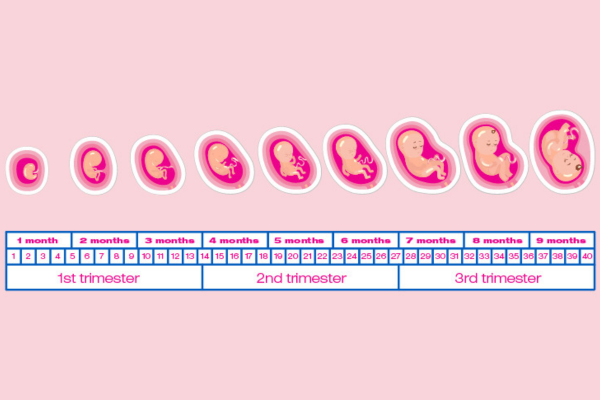
Pregnancy is a 40-week journey of extraordinary transformation for your body, your baby, and your life. While the experience is deeply personal and unique to every woman, one thing is universal: the importance of regular, timely medical monitoring throughout all three trimesters. Knowing what tests to expect, which scans are essential, and when each appointment should happen is not just reassuring it is medically critical. Gaps in antenatal care are one of the most common and preventable causes of pregnancy complications in India. At Sri Sai Women & Children's Clinic in Gopanpally, Hyderabad, Dr. Vanisree Padige a highly experienced gynaecologist, obstetrician, and fetal medicine specialist with 16 years of expertise guides every patient through a structured, evidence-based monitoring schedule designed to protect both mother and baby at every stage. This week-by-week pregnancy monitoring guide covers every major milestone from your first positive pregnancy test all the way to delivery so that you know exactly what to expect, when to expect it, and why it matters. Whether you are in Gopanpally, Nallagandla, Tellapur, Serilingampally, or anywhere in Hyderabad, this guide is your complete prenatal roadmap.
Why Week-by-Week Pregnancy Monitoring Matters
Regular antenatal monitoring is the backbone of safe pregnancy care. It allows your gynaecologist to track the baby's growth and development, detect complications early often before symptoms appear, adjust your care plan as your pregnancy evolves, manage pre-existing conditions such as diabetes, thyroid disease, or hypertension that can worsen in pregnancy, reassure you that your baby is healthy and progressing normally, and prepare appropriately for a safe delivery.
In India, many pregnancy complications including preeclampsia, fetal growth restriction, gestational diabetes, and preterm birth are identified late or missed entirely because women delay their first prenatal visit or skip scheduled appointments. Dr. Vanisree Padige at Sri Sai Women & Children's Clinic, Gopanpally, places the highest priority on consistent antenatal monitoring and works with each patient to ensure no critical checkpoint is missed.
First Trimester Monitoring: Weeks 1 to 12
The first trimester is when the baby's most critical development takes place the brain, heart, spine, and all major organs form during these 12 weeks. It is also the trimester with the highest risk of miscarriage. Early and thorough monitoring during this period lays the foundation for a safe pregnancy.
Weeks 4–6: Confirmation of Pregnancy
As soon as you have a positive home pregnancy test, your first step is to contact your gynaecologist. At this first visit, Dr. Vanisree Padige at Sri Sai Clinic, Gopanpally, will typically:
- Confirm pregnancy with a serum beta-hCG blood test
- Take a detailed medical, surgical, and obstetric history
- Record your last menstrual period to calculate gestational age and expected due date
- Conduct a physical examination including blood pressure, weight, and BMI
- Prescribe folic acid (400–800 mcg daily) and other required supplements
- Advise on diet, lifestyle, foods to avoid, and medications to stop or continue
- Address any urgent concerns such as bleeding, pain, or severe nausea
Weeks 6–8: Early Viability Scan (Dating Scan)
The first ultrasound scan is performed between 6 and 8 weeks. This transvaginal (or sometimes abdominal) scan confirms that the pregnancy is located inside the uterus ruling out ectopic pregnancy detects the fetal heartbeat (visible from approximately 6 weeks), measures the crown-rump length (CRL) to accurately determine gestational age and the expected due date, and checks whether it is a singleton or multiple pregnancy. For women with a history of miscarriage, ectopic pregnancy, or IVF, this scan is especially critical and brings enormous reassurance.
Weeks 8–10: Comprehensive First-Trimester Blood Tests
A comprehensive panel of blood and urine investigations is ordered at this visit:
- Blood group and Rh (Rhesus) factor
- Complete blood count (CBC) — to screen for anaemia, very prevalent in Indian women
- Blood glucose (fasting) and HbA1c — pre-diabetes or diabetes screening
- Thyroid stimulating hormone (TSH) — thyroid disorders are extremely common in Indian women and can cause miscarriage if untreated
- HIV, hepatitis B surface antigen (HBsAg), VDRL (syphilis) — mandatory screening
- Urine routine examination and culture — to detect asymptomatic urinary tract infections
- Rubella IgG — to check immunity to rubella
- Vitamin D and B12 levels — deficiencies are widespread among Indian women and require early correction
- Thyroid antibodies (anti-TPO) — if thyroid disorder or autoimmune history
Weeks 11–13 + 6 Days: NT Scan (Nuchal Translucency Scan)
The NT scan is one of the most important scans in pregnancy and has a very narrow window it must be performed between 11 weeks and 13 weeks 6 days of pregnancy. This scan measures the fluid at the back of the baby's neck (nuchal translucency), which, combined with blood tests for PAPP-A and free beta-hCG (the combined first trimester screening or double marker test), provides a risk assessment for chromosomal abnormalities including Down syndrome (Trisomy 21), Edwards syndrome (Trisomy 18), and Patau syndrome (Trisomy 13). The NT scan also provides an early structural survey of the baby and checks the nasal bone, fetal heart rate, and blood flow across the ductus venosus. Do not miss this scan the window of opportunity is narrow and cannot be replicated.
Second Trimester Monitoring: Weeks 13 to 26
The second trimester is often called the "golden period" of pregnancy morning sickness typically eases, energy returns, and the risk of miscarriage drops significantly. However, critical monitoring continues. This trimester sees some of the most important screening tests and the detailed anomaly scan.
Weeks 14–16: Second Trimester Routine Visit
At this appointment, Dr. Vanisree Padige will:
- Review and discuss results from first-trimester blood tests
- Monitor blood pressure, weight gain, and urine protein
- Check for any new or persisting symptoms nausea, bleeding, discharge, pelvic pain
- Discuss first-trimester screening results and counselling if chromosomal risk was elevated
- Initiate low-dose aspirin if preeclampsia risk factors are present
- Review dietary needs, iron supplementation, and calcium requirements as the second trimester progresses
Weeks 15–20: Quadruple Marker Test (If Required)
For women who did not have the combined first trimester screening or whose results were inconclusive, the quadruple marker blood test (measuring AFP, hCG, estriol, and inhibin A) can be offered between 15 and 20 weeks. This test screens for Down syndrome, Edwards syndrome, and neural tube defects such as spina bifida. For women with elevated chromosomal risk on screening, genetic counselling and further testing options including non-invasive prenatal testing (NIPT) or amniocentesis will be discussed with Dr. Vanisree Padige at Sri Sai Women & Children's Clinic, Gopanpally.
Weeks 18–20: The Anomaly Scan (Level II Ultrasound)
The anomaly scan also called the mid-pregnancy scan, morphology scan, or TIFFA scan in India is the most detailed ultrasound examination in pregnancy and is performed between 18 and 20 weeks. It is a comprehensive survey of the baby's anatomy that checks the brain and skull, facial features and palate, spine and spinal cord, heart and its four chambers and major vessels, lungs, abdomen, stomach, kidneys, and bladder, limbs, fingers, and toes, the placenta's location, the umbilical cord insertion, and amniotic fluid volume. This scan detects major structural abnormalities including heart defects, open spina bifida, abdominal wall defects, and kidney abnormalities many of which can be managed or treated if detected early. Do not skip the anomaly scan.
Weeks 20–24: Gestational Diabetes Screening
The oral glucose challenge test (OGCT) or oral glucose tolerance test (OGTT) is performed between 24 and 28 weeks but Dr. Vanisree Padige recommends earlier screening (at 16–20 weeks) for women with risk factors including a family history of diabetes, previous gestational diabetes, PCOS, obesity, or a previous large baby. Given the significantly higher genetic susceptibility of Indian women to gestational diabetes, screening in this population requires particular vigilance. Gestational diabetes that is detected and managed early dramatically reduces the risk of complications for both mother and baby.
Week 20 Onwards: Fetal Movement Awareness
From 20 weeks, expectant mothers begin to feel their baby's movements. Dr. Vanisree Padige educates all her patients at Sri Sai Women & Children's Clinic, Gopanpally, about fetal movement monitoring from this stage. From 28 weeks, daily kick counting becomes an important self-monitoring tool aim for 10 distinct movements in 2 hours. Any significant reduction in movement must be reported immediately.
Third Trimester Monitoring: Weeks 27 to 40
The third trimester brings the baby's final growth phase and the preparation for delivery. Monitoring becomes more frequent typically every 2 to 4 weeks for low-risk pregnancies and weekly (or more often) for high-risk cases. This is the trimester when complications like preeclampsia, gestational diabetes, fetal growth restriction, and preterm labour most commonly emerge making vigilance essential.
Weeks 24–28: Gestational Diabetes Test and Anaemia Check
At this visit, Dr. Vanisree Padige will:
- Perform or review the oral glucose tolerance test (OGTT) for gestational diabetes
- Repeat the complete blood count to check for anaemia iron deficiency anaemia is very common at this stage among Indian women due to the increasing demands of the growing baby
- Review blood pressure trends and test urine for protein
- Discuss and administer the anti-D injection for Rh-negative mothers (to prevent Rh sensitisation)
- Measure fundal height (distance from pubic bone to top of uterus), a simple but important tool to track fetal growth
- Check fetal heart rate with a Doppler device
Weeks 28–32: Third Trimester Growth Scan
The first third-trimester growth scan is performed around 28–32 weeks. This scan assesses the baby's weight and measurements (head circumference, abdominal circumference, femur length), growth velocity compared to previous scans, amniotic fluid volume (to detect oligohydramnios or polyhydramnios), placental position and maturity, and umbilical artery Doppler blood flow a critical indicator of how well the placenta is functioning. For women with high-risk pregnancies including those with gestational diabetes, hypertension, or a previous small baby Dr. Vanisree Padige at Sri Sai Clinic, Gopanpally, may schedule growth scans more frequently from 28 weeks.
Weeks 32–36: Monitoring for Preterm Labour and Fetal Position
During this period, your appointments will focus on:
- Blood pressure monitoring preeclampsia risk peaks in the third trimester
- Urine protein dipstick testing at every visit
- Checking fetal position is the baby head-down (cephalic), breech, or transverse?
- Group B Streptococcus (GBS) vaginal swab typically done at 35–37 weeks to guide antibiotic use during labour
- Cervical length assessment by transvaginal ultrasound for women at risk of preterm birth
- Corticosteroid injections offered if preterm birth before 34 weeks is threatened
- Reviewing your birth plan and discussing your delivery preferences with Dr. Vanisree Padige
Weeks 36–40: Final Monitoring and Delivery Preparation
In the final weeks of pregnancy, appointments become weekly. At Sri Sai Women & Children's Clinic, Gopanpally, Dr. Vanisree Padige focuses this period on confirming the baby's position and presentation (head-down is ideal for vaginal delivery), a final growth scan to estimate the baby's weight and check amniotic fluid and Doppler, monitoring blood pressure and signs of preeclampsia closely, discussing and finalising the mode of delivery vaginal or caesarean and the planned timing, ensuring the mother is informed about the signs of labour (regular contractions, rupture of membranes, bloody show), reviewing hospital bag preparation and emergency contact plans, and conducting a non-stress test (NST / cardiotocography or CTG) if the pregnancy has gone past 40 weeks or any concerns arise about fetal well-being.
Complete Pregnancy Monitoring Schedule at a Glance
Below is a quick-reference summary of the key appointments, scans, and tests at each stage of pregnancy as recommended by Dr. Vanisree Padige at Sri Sai Women & Children's Clinic, Gopanpally:
First Trimester (Weeks 1–12)
- Weeks 4–6: Confirm pregnancy, medical history, supplements prescribed, lifestyle advice
- Weeks 6–8: Early viability scan confirm intrauterine location, fetal heartbeat, dating
- Weeks 8–10: Full blood panel CBC, blood group, TSH, glucose, HIV, hepatitis B, vitamin D & B12, urine tests
- Weeks 11–13+6: NT scan + double marker blood test (combined first trimester screening)
Second Trimester (Weeks 13–26)
- Weeks 14–16: Review first trimester results, blood pressure, weight, symptoms check
- Weeks 15–20: Quadruple marker test if indicated; NIPT or amniocentesis counselling if high chromosomal risk
- Weeks 18–20: Anomaly scan (TIFFA) comprehensive fetal structural survey
- Weeks 20–24: Early gestational diabetes screening for high-risk women (Indian women, PCOS, family history)
- Weeks 24–28: Routine OGTT for gestational diabetes; repeat CBC for anaemia; anti-D injection for Rh-negative mothers
- Week 20 onwards: Fetal movement awareness; kick counting from 28 weeks
Third Trimester (Weeks 27–40)
- Weeks 28–32: Third trimester growth scan weight, fluid, Doppler; blood pressure; anaemia check
- Weeks 32–36: Fetal position check; blood pressure; GBS swab (35–37 weeks); birth plan discussion
- Weeks 36–40: Weekly visits final growth scan, Doppler, fetal position, delivery planning, NST if indicated
- Post-40 weeks: Non-stress test, amniotic fluid check, induction planning if needed
Additional Monitoring for High-Risk Pregnancies
Women with high-risk pregnancies including those with gestational diabetes, hypertension, thyroid disorders, PCOS, a history of preterm birth, previous pregnancy loss, or carrying multiples require more frequent visits and additional monitoring beyond the standard schedule. Dr. Vanisree Padige, with her specialization in high-risk pregnancy and fetal medicine at Sri Sai Women & Children's Clinic, Gopanpally, creates a personalized monitoring plan for every high-risk patient. Additional monitoring may include:
- Fortnightly or weekly growth scans from 28 weeks (for fetal growth restriction or gestational diabetes)
- Serial Doppler studies of the umbilical artery and middle cerebral artery
- Weekly non-stress tests (NST/CTG) from 32 weeks in high-risk cases
- Biophysical profile (BPP) assessments
- Cervical length monitoring (for women at risk of preterm birth)
- More frequent blood pressure and urine protein checks (for preeclampsia)
- Additional blood tests: HbA1c, liver function tests, renal function, full clotting screen as clinically indicated
- Referral for detailed fetal echocardiography if a cardiac abnormality is suspected on the anomaly scan
Postnatal (Postpartum) Follow-Up: After Delivery
Pregnancy monitoring does not end with delivery. Postnatal care is an often-overlooked but critically important part of the journey. Dr. Vanisree Padige at Sri Sai Women & Children's Clinic, Gopanpally, recommends the following postnatal follow-up schedule:
- First week after delivery: A check for wound healing (caesarean scar or episiotomy), blood pressure monitoring, lochia (postpartum bleeding) assessment, and early breastfeeding support.
- 6-week postpartum visit: The most important postnatal appointment assesses physical recovery, checks for postpartum anaemia, screens for postpartum depression and anxiety, reviews contraception options, and provides thyroid and blood glucose follow-up for women who had gestational diabetes or thyroid issues.
- 3-month visit (for high-risk cases): Women who had gestational diabetes should undergo a repeat oral glucose tolerance test at 6–12 weeks postpartum to check whether glucose metabolism has returned to normal. Women with preeclampsia need blood pressure monitoring.
- Annual review: A regular annual well-woman check including cervical screening (Pap smear), blood pressure, weight, and hormonal health review is recommended for all women once postpartum recovery is complete.
Practical Tips to Stay on Track With Your Pregnancy Monitoring Schedule
From her experience at Sri Sai Women & Children's Clinic, Gopanpally, Dr. Vanisree Padige shares these practical tips for Indian women to stay on top of their prenatal monitoring:
- Book your next appointment before leaving the clinic do not leave scheduling to memory
- Keep a dedicated pregnancy file for all reports, scan images, blood test results, and prescriptions
- Use a period tracking or pregnancy app to log symptoms, fetal movements, and upcoming appointment reminders
- Do not cancel or postpone appointments even if you feel well many complications develop silently
- Always bring your partner or a trusted family member when possible for important scans and consultations
- Write down your questions before each visit do not rely on remembering them in the moment
- Take your prescribed supplements every day do not stop them without medical advice even if you feel nauseous
- Know the warning signs that require immediate attention at every trimester (see our High-Risk Pregnancy guide for a full list)
- Be honest with Dr. Vanisree Padige about symptoms you may feel embarrassed to mention nothing is too small or too personal
Internal Links
- Comprehensive Maternity Care at Sri Sai Clinic, Gopanpally
- About Dr. Vanisree Padige – Gynaecologist & Fetal Medicine Specialist, Gopanpally
- Book Your Prenatal Appointment with Dr. Vanisree Padige, Gopanpally
- High-Risk Pregnancy Explained – Expert Guide by Dr. Vanisree Padige
Conclusion
Pregnancy is not a condition to be managed passively it is a dynamic, evolving journey that rewards consistent attention, timely testing, and open communication with your doctor. This week-by-week pregnancy monitoring guide is your framework for a well-watched, well-supported pregnancy from the earliest weeks of the first trimester to the precious moments after delivery.
Every scan has a purpose. Every blood test tells a story. Every appointment is an opportunity to protect the health of you and your baby and to strengthen the bond of trust between you and your gynaecologist. Do not skip them. Do not delay them. And do not hesitate to ask questions at every single one.
At Sri Sai Women & Children's Clinic in Gopanpally, Hyderabad, Dr. Vanisree Padige gynaecologist, obstetrician, and fetal medicine specialist with 16 years of experience and internationally recognized MRCOG qualification provides every expectant mother with a structured, personalized, and evidence-based monitoring plan. From first trimester confirmation to postnatal recovery, Dr. Vanisree Padige and her team are committed to being your most trusted partners through every week of your pregnancy. Serving mothers from Gopanpally, Nallagandla, Tellapur, Serilingampally, and across Hyderabad Sri Sai Women & Children's Clinic is where expert care meets genuine compassion.
Ready to start your pregnancy journey with expert guidance? Book your first prenatal appointment with Dr. Vanisree Padige at Sri Sai Women & Children's Clinic, Gopanpally today.
Call: +91 76750 24254