
Why Your Child's Cough Gets Worse at Night
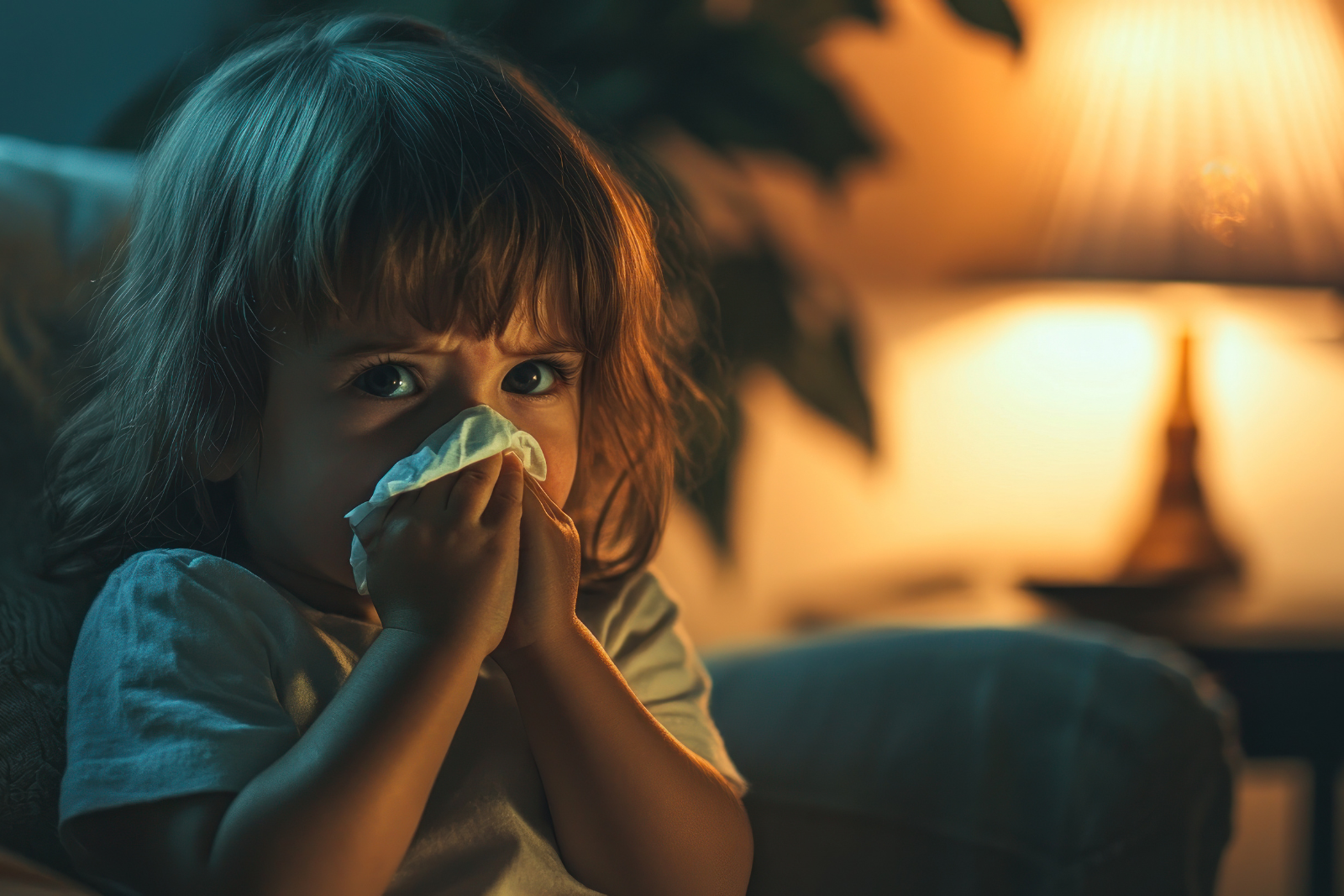
Few things are as exhausting for children and parents alike as a cough that is manageable during the day but becomes disruptive and relentless the moment the child lies down at night. This pattern of nighttime cough worsening is one of the most common paediatric complaints at Sri Sai Women & Children's Clinic, Gopanpally, and one that Dr. Satyanarayana BH — MBBS, DCH (Gold Medalist), MRCPCH, 16 years of paediatric experience encounters with parents from Gopanpally, Nallagandla, Tellapur, and across Hyderabad regularly. The reassuring news is that nighttime cough worsening almost always has a specific, identifiable cause and understanding that cause is the key to targeted treatment. This guide explains the most common reasons your child's cough gets worse at night and what each pattern means.
Why Does Cough Worsen at Night — The Physiology
Several mechanisms cause coughs to intensify at night in children:
- Horizontal position increases post-nasal drip mucus from the nose and sinuses drips down the back of the throat more freely when lying flat, stimulating the cough reflex
- Airway narrowing at night airway smooth muscle tone and lung volume both change with the circadian rhythm, making airways slightly narrower at night worsening asthma and croup symptoms
- Increased dust mite exposure sleeping in bedding (the highest dust mite reservoir) maximizes allergen exposure throughout the night
- Lower cortisol levels at night the body's natural anti-inflammatory hormone (cortisol) falls at night, allowing more airway inflammation to become symptomatic
- Cooler and drier air particularly in air-conditioned rooms, which can irritate already inflamed airways
Causes of Nighttime Cough in Children
1. Post-Nasal Drip — The Most Common Cause
Post-nasal drip occurs when excess mucus from the nose or sinuses drips down the back of the throat. When a child lies flat, this drainage stimulates the cough reflex at the back of the throat causing persistent nighttime coughing that is typically productive (with phlegm), often associated with throat clearing, and sometimes results in vomiting small amounts of mucus after coughing bouts. The underlying cause of the post-nasal drip is usually allergic rhinitis (dust allergy particularly common in Gopanpally and Nallagandla's environment) or a viral upper respiratory infection.
2. Asthma — The Most Important Cause Not to Miss
Nocturnal cough, a dry, persistent, often barky cough that wakes the child at night or in the early morning is one of the most important presentations of childhood asthma. Many children with asthma do not wheeze audibly; their only symptom is a persistent nighttime cough. The cough is characteristically worse in the early hours of the morning (2–4 AM), is often associated with exercise-induced cough during the day, and worsens after viral infections. If your child's nighttime cough has been present for more than 3–4 weeks without an obvious ongoing infection, asthma must be considered and evaluated. Dr. Satyanarayana manages asthma at Sri Sai Clinic, Gopanpally, with nebulisation facilities available on-site.
3. Viral Upper Respiratory Infection (the Common Cold)
The most common cause of acute nighttime cough is a viral respiratory infection the common cold. Post-nasal drip from the cold and direct irritation of the upper airway both worsen when the child lies down. This type of cough typically lasts 7–14 days, is associated with clear runny nose, mild fever, and gradually improves. No specific treatment is needed beyond supportive care antibiotics are not appropriate for viral coughs.
4. GERD — Acid Reflux
Gastroesophageal reflux (acid reflux) in children causes stomach acid to flow back toward the esophagus and throat and this worsens when lying down. Acid reaching the back of the throat triggers a reflexive cough and can cause vocal cord inflammation. GERD-related nighttime cough is often dry, non-productive, may be associated with episodes of the child complaining of 'throat burning' or 'something coming up', and may be accompanied by nocturnal vomiting in infants. If your child's nighttime cough is consistently worse and other causes have been excluded, GERD should be considered.
5. Croup — The Barky Nighttime Cough
Croup (laryngotracheobronchitis) typically affects children between 6 months and 3 years and is caused by viral inflammation of the upper airway (larynx and trachea). The characteristic cough of croup is unmistakable, a harsh, barking cough resembling a seal, often with a high-pitched breathing sound (stridor) on inhalation. Croup typically begins suddenly at night, often waking the child from sleep. Most cases are manageable at home with cool night air and a calm environment but severe stridor at rest or significant respiratory distress require immediate paediatric evaluation.
6. Pertussis (Whooping Cough)
Pertussis, whooping cough caused by Bordetella pertussis bacteria, causes prolonged paroxysmal coughing bouts followed by a characteristic 'whoop' sound (the child's forceful inhalation after the coughing episode). Pertussis is worse at night and can be severe in infants under 6 months potentially life-threatening. Pertussis is preventable by vaccination (DTP vaccine in India's national immunization schedule). Any infant or young child with paroxysmal nighttime coughing bouts should be evaluated urgently.
7. Dust Mite Allergy
As described in the dust allergy blog, sleeping in dust-mite-contaminated bedding maximizes allergen exposure throughout the night causing allergic rhinitis that drives post-nasal drip and nighttime cough. This is particularly prevalent in Gopanpally and Nallagandla households where bedding hygiene and allergen management may not have been addressed.
What Parents Can Do at Home for Nighttime Cough
- Elevate the head: Slightly elevating the head of the bed (using a pillow under the mattress head end for infants, or an additional pillow for older children) reduces post-nasal drip.
- Humidifier: A cool-mist humidifier can help if room air is very dry particularly in air-conditioned rooms.
- Honey: For children over 1 year, a teaspoon of honey before bed has good evidence for reducing nighttime cough severity from viral infections. Never give honey to infants under 12 months (botulism risk).
- Saline nasal drops: Nasal saline (salt water) drops or spray before bedtime help clear nasal mucus, reducing post-nasal drip.
- Adequate hydration: Warm fluids (warm water, diluted warm honey-ginger water for children over 1 year) thin secretions and soothe the irritated airway.
Do not give adult cough and cold medications (with codeine, dextromethorphan, or antihistamines) to children under 6 years they are ineffective and can be dangerous.
When to See Dr. Satyanarayana for Your Child's Nighttime Cough
- Cough lasting more than 3 weeks with no improvement
- Cough associated with wheezing, breathlessness, or chest tightness
- Barking cough with stridor (noisy breathing) particularly in children under 3
- Paroxysmal coughing bouts with a 'whoop' possible pertussis
- Cough associated with fever persisting more than 5 days
- Cough with blood-tinged sputum
- Nighttime cough recurring in a pattern (every allergy season or with specific triggers)
Internal Links
- Asthma and Allergy Treatment for Children — Dr. Satyanarayana Gopanpally
- Nebulisation Facility for Children at Sri Sai Clinic Gopanpally
- Respiratory Infection Treatment — Sri Sai Clinic Gopanpally
- Book Paediatrician Appointment Gopanpally Nallagandla
Conclusion
A child's nighttime cough is almost always telling a story the story of post-nasal drip, asthma, allergy, acid reflux, or infection. Understanding which story it is telling determines the right treatment. At Sri Sai Women & Children's Clinic in Gopanpally, Dr. Satyanarayana BH provides the expert assessment needed to identify the cause precisely and with on-site nebulisation facilities and 16 years of paediatric experience, he provides targeted, effective treatment for every child's cough. Serving families from Gopanpally, Nallagandla, Tellapur, Serilingampally, and across Hyderabad.
Child coughing at night? Get expert care from Dr. Satyanarayana at Sri Sai Clinic, Gopanpally. Call: +91-9347761835